

School of Chiropractic Graduate
Doctor of Chiropractic
DC Doctor of Chiropractic
University of Bridgeport’s School of Chiropractic (UBSC) was the first university-based Doctor of Chiropractic program in the United States.
Start here
Doctor of Chiropractic program prerequisites
With only 90 credits required to begin earning your DC, you will be placed on the fast-track to a fulfilling career providing patient-centered care.
Bachelor’s degree or 90 credits
Bachelor’s degree earned or a minimum of 90 credits completed
Cumulative GPA of 3.0 or higher within the best 90 credits
Science coursework
Minimum of 24 credits in the physical/ life sciences, with a C or better (half of which must contain labs)
Recommended coursework in the following areas: Biology/Anatomy and Physiology / General Chemistry / Organic Chemistry / Physics
Personal statement
In 250-500 words, detail why you are seeking this degree, how you expect to apply your degree to your professional career after graduation and why you seek to pursue your degree through University of Bridgeport
UBSC admits students twice per year, in January and August.
A senior year spent caring for patients
In your senior year in the School of Chiropractic, you’ll provide direct care to patients at UB’s Chiropractic Clinic — completing on-site, real-world training in our state-of-the-art clinic. At the UB Clinic, you will gain supervised experience assessing and treating patients from our local community.
Clinical training
Three clinical settings
The unmatched clinical training opportunities available to UB Chiropractic students will set you up for career success.
UB Chiropractic Clinic
UB’s Chiropractic Clinic offers a conservative, drugless, non-surgical approach to healthcare. Chiropractic care includes spinal adjustments, soft tissue therapy, physiotherapeutic modalities, exercise, rehabilitation, nutrition, and lifestyle counseling. Students have the opportunity to work in an integrated health care setting alongside UB’s Acupuncture, Dental Hygiene, and Naturopathic Medicine students.
Veterans Administration hospitals
Each semester, select UBSC students participate in rotations and externships at two regional Veterans Administration (VA) Hospitals. If selected, you’ll assist in providing chiropractic care to veterans. Students also have the opportunity to assist UB clinical chiropractic faculty with the treatment of patients at six community health centers across Connecticut.
Human Performance and Biomechanics Lab
UBSC students also have access to our state-of-the-art Human Performance and Biomechanics Lab, where you can work directly with athletes from UB’s NCAA Division II sports teams.
Observational only rotations
Interns have the opportunity to participate in short term (2 days per week for 2 weeks) to longer term (2 days per week for 6 weeks) observational only rotations. Interns can observe how physicians specialized in orthopedics, radiology, neurology, and may include both MD and DC providers working in a clinical setting. These observational rotations include:
Orthopedic practices – Interns work with two of the largest multidisciplinary orthopedic groups in the State of Connecticut: the Orthopaedic and Sports Medicine Center (OSG) and the Orthopaedic Specialty Group (OSM). Interns have the opportunity to observe how this type of integrated care is provided by working directly with a DC who is employed in these group orthopedic medical practices. Interns are exposed to a variety of clinical conditions that they may not typically see in a traditional chiropractic clinic.
MRI Clinical Radiology training – Interns participate in a 6‑week MRI neuroradiology rotation at Stony Brook Medical School and Hospital. Interns observe advanced MRI neuroradiology readings from specialized medical radiologists. Interns participate in this rotation with medical students, medical interns, and fellows specializing in advanced neuroradiology imaging. This rotation provides interns with training and discussion of a variety of complex patient health conditions in a major university teaching hospital.
Externships – Upon completion of all quantitative clinical requirements, an intern is eligible for an off campus observational rotation. This is done at the office/clinic of a private practitioner. The experience is strictly observational and the intern cannot participate in any type of patient care. The experience allows an intern to see how a practice operates on a day-to-day basis, from front desk procedures, scheduling, insurance, and patient care. The externship is 3‑4 days per week and can be as long as 6 weeks or less. During this experience an intern is required to return to the campus clinic for at least one day per week. During this time they have the opportunity to continue to see patients and continue to be assessed and evaluated in their clinical competency.
Admission requirements
Admission requirements and deadlines
Eligible applicants may be awarded tuition scholarships up to $25,000 per year.
What you need
- A bachelor’s degree earned, or a minimum of 90 credits completed
- A cumulative GPA of 3.0 or higher within your best 90 credits
- A minimum of 24 credits in the physical and life sciences at C or better, half of which must include laboratory work
- The online application
- Official transcripts from all schools attended
- In 250-500 words, detail why you are seeking this degree, how you expect to apply your degree to your professional career after graduation and why you seek to pursue your degree through University of Bridgeport
- A resumé
- Recommended coursework in the following areas: Biology/Anatomy and Physiology / General Chemistry / Organic Chemistry / Physics
- International applicants: Please consult our international admission requirements, or for specific queries, contact your admissions counselor.
Program structure
From basic science to caring for your own patients
The 18-week semester-based program offers you flexibility and works with your busy schedule.
Basic sciences
As a UB Chiropractic student, you’ll delve into foundational sciences like anatomy, physiology, and biochemistry — gaining a deep understanding of the human body.
Chiropractic sciences
Your coursework will also explore chiropractic principles and philosophy, strengthening your knowledge of the history and core concepts informing chiropractic care.
Clinical sciences and diagnosis
Courses focused on diagnostic imaging, chiropractic techniques, and clinical assessment will further enrich your clinical competence — honing your practical skills while developing expertise in patient evaluation and treatment.
Clinical internship
Senior year in the UB Chiropractic Clinic, with selected students also rotating through two regional Veterans Administration hospitals.
Normal length of program: 8 semesters
Course catalogAccreditation
The Council on Chiropractic Education
The Doctor of Chiropractic degree program at University of Bridgeport is awarded programmatic accreditation by The Council on Chiropractic Education, 9393 N 90th St., Suite 102-660, Scottsdale, AZ, 85258-5073, 480-443-8877, www.cce-usa.org. The School of Chiropractic (UBSC) received initial accreditation from The Council on Chiropractic Education in 1994 and is accredited through 2026. UBSC is also a member of the Association of Chiropractic Colleges.
Licensure
Chiropractor licensure
UBSC graduates are eligible for licensure in all 50 states, Washington, D.C., Puerto Rico, the Canadian Provinces and other foreign countries as regulated by local laws and regulations without restrictions. U.S. licensure requires students to pass the national boards, which includes Parts I, II, III, IV, and Physiotherapy examinations as offered by the National Board of Chiropractic Examiners (NBCE). Students should contact the NBCE or the Federation of Chiropractic Licensing Boards (FCLB) for additional information pertaining to licensure or the state(s) where they wish to practice.
Student achievement
UBSC NBCE completion data
The overall weighted average of the four (4) most recent years’ licensing exam success or licensure rates must not be less than 80%. This is in accordance with UBSC’s accrediting body the Council on Chiropractic Education (CCE).
| Calendar year (Last 4 years) | Number of graduates | Number of graduates passing all parts of licensing exams* or are licensed to practice chiropractic within six (6) months post-graduation | Percentage of graduates passing all parts of licensing exams* or are licensed to practice chiropractic within six (6) months post-graduation |
|---|---|---|---|
| 2022 graduates | 35 | 32 | 91% |
| 2023 graduates | 30 | 26 | 87% |
| 2024 graduates | 48 | 41 | 85% |
| 2025 graduates | 37 | 32 | 86% |
| Totals | 150 | 131 | 87% Weighted average |
UBSC DCP graduation completion rates
Completion of the D.C. degree program: The two year average completion rate, calculated at 150% of the time normally designated for completion of the DC degree, must be at least 70%. This is in accordance with UBSC’s accrediting body the Council on Chiropractic Education (CCE).
| Column A: Entrance term | Column B: # of students matriculated in entrance term | Column C: Term 12 semesters after entrance term | Column D: # Students in column a that graduated by term in column C | Column E: Completion rate at the 150th percentile |
|---|---|---|---|---|
| Spring 2019 | 7 | Fall 2024 | 6 | 85.7% |
| Fall 2019 | 29 | Spring 2025 | 25 | 86.2% |
| Spring 2020 | 10 | Fall 2025 | 9 | 90% |
| Fall 2020 | 38 | Spring 2026 | 35 | 92.1% |
| 2-YR TOTAL | 84 | 75 | 89.3% |
Program outcomes
UBSC programmatic outcomes
Upon successful completion of the UBSC Doctor of Chiropractic program the graduate will have the ability to:
Graduates of the Doctor of Chiropractic program earn the ability to
Practice direct contact health care as a portal-of-entry provider for all patients.
Assess a patient’s general health status and determine a diagnosis.
Develop a goal-oriented case management plan.
Assume appropriate doctor/patient relationships with continuity in the chiropractic management of health problems, and coordination of care with other health care providers.
Promote wellness by assessing health risk and providing problem-related information and counseling.
Gain eligibility to sit for NBCE licensure.
Careers
Career opportunities
According to the U.S. Department of Labor, the field of chiropractic is expected to grow much faster than average over the next decade. UBSC graduates are fully prepared to become licensed and pursue numerous career opportunities such as:
Practices seeking UBSC graduates
Employers seeking chiropractic practitioners know that UBSC graduates will deliver a high-level of care. Here are just a few of the practices and institutions seeking UBSC grads:
MMA Chiropractors
Airrosti Rehab Centers
Centro Chiropractico Schade, Peru
New Rochelle Chiropractic, NY
Optimum Wellness Centres, Calgary
Inglis Chiropractic Center, CT
New Life Chiropractic, MA
Student voices
Student voices
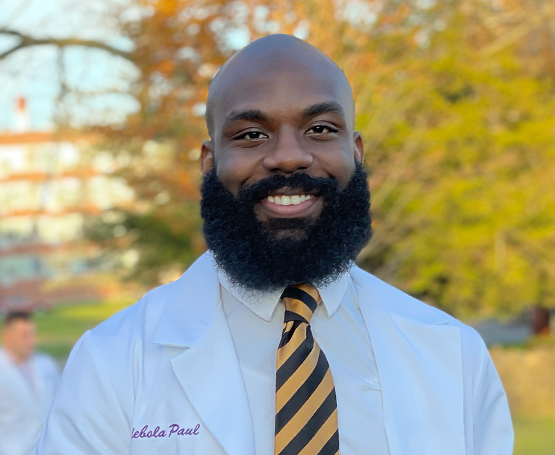
At UB, I have developed and matured in many areas, not only as a student and man, but also as a practitioner. I am grateful for all the memories and experiences I have gathered over the years and I look forward to applying everything I have learned in my career.
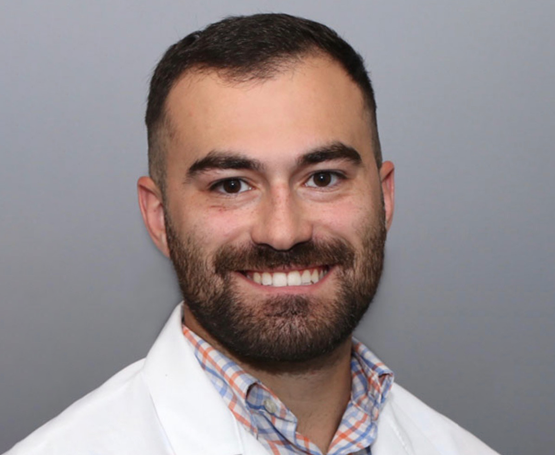
UB helped me immensely to prepare me for practicing medicine in my community. I felt very prepared despite Covid, and the small class setting helped me connect more with not only my peers but the staff as well!
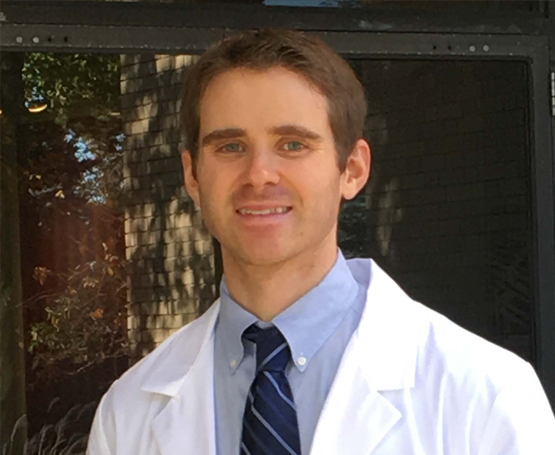
I’m forever grateful to UB not only for the great education I received there but also the bonds I was able to have with my classmates and professors that will last a lifetime.
Common questions
Frequently asked questions
University of Bridgeport stands out as an excellent choice for Chiropractic studies due to our accreditation, experienced faculty, and emphasis on clinical experience. Accredited by the Council on Chiropractic Education, UBSC ensures a high standard of education.
University of Bridgeport’s DC program blends theoretical knowledge with practical skills — preparing you for success in the field. As a UB Chiropractic student, you’ll delve into foundational sciences like anatomy, physiology, and biochemistry — gaining a deep understanding of the human body.
The include relevant academic qualifications, prerequisite coursework, a personal statement, and a reference letter from a healthcare practitioner. Meeting these requirements demonstrates candidates’ academic preparedness and suitability for the rigorous curriculum and clinical training offered by UB’s DC program.
If you don’t meet the admissions requirements for University of Bridgeport’s chiropractic school, there are several steps you can take to improve your eligibility. Firstly, consider strengthening your academic background by pursuing any prerequisite coursework you might be missing (such as biology, chemistry, physics, and anatomy).
Course catalog
Every course, in full
View all courses offered and read full course descriptions in our online course catalog system.
Semester 1 – 22.5 credits
9 courses
Semester 1 – 22.5 credits
| Course Code | Course Title |
|---|---|
| AN 511 | Cell and Tissue Microscopic Anatomy & Physiology |
| AN 512 | Functional Anatomy and Biomechanics I |
| AN 513 | Gen Anatomy I: Viscera |
| AN 514 | Clinical Embryology |
| PP 511 | Principles and Practice I; History and Philosophy |
| PP 512 | Principles and Practice II; Introduction to Evidence-Based Practice |
| TE 511 | Chiropractic Examination Skills I; Palpation and Biomechanics of the Spine and Pelvis |
| TE 511L | Biomechanics of the Spine and Pelvis – Laboratory |
| BC 511 | Biochemistry Metabolism & Nutrition |
Semester 2 – 24.5 credits
9 courses
Semester 2 – 24.5 credits
| Course Code | Course Title |
|---|---|
| DI 521 | Diagnostic Imaging I; Normal Anatomy |
| PH 521 | Organ System Microscopic Anatomy and Physiology I |
| NS 521 | Neuroscience I |
| PP 523 | Principles and Practice III; Contemporary Chiropractic Studies |
| TE 522 | Chiropractic Examination Skills II; Palpation and Biomechanics of the Extremities |
| TE 522L | Chiropractic Examination Skills II; Palpation and Biomechanics of the Extremities Laboratory |
| AN 525 | General Anatomy II: Head Neck |
| AN 526 | Functional Anatomy Biomechanics II: Extremities |
| MB 521 | Clinical Microbiology Introduction Infectious Diseases |
Semester 3 – 26.5 credits
12 courses
Semester 3 – 26.5 credits
| Course Code | Course Title |
|---|---|
| NS 612 | Neuroscience II |
| PA 611 | Fundamentals of Pathology |
| PH 612 | Organ System Microscopic Anatomy and Physiology II |
| MB 612 | Infectious Diseases II |
| TE 613 | Technique Procedures I; Introduction to Full Spine Technique Lecture |
| TE 613L | Technique Procedures I; Introduction to Full Spine Technique Laboratory |
| DX 612 | Diagnostic Skills II; Orthopedics and Neurology |
| DX 612L | Diagnostic Skills II; Orthopedics and Neurology Laboratory |
| DX 611 | Diagnostic Skills I; Physical Examination |
| DX 611L | Diagnostic Skills I; Physical Examination; Laboratory |
| DI 612 | Diagnostic Imaging II; Normal Anatomy |
| BC 612 | Biochemistry, Metabolism & Nutrition: II |
Semester 4 – 26.5 credits
12 courses
Semester 4 – 26.5 credits
| Course Code | Course Title |
|---|---|
| PA 622 | Systems of Pathology |
| TE 624 | Technique Procedures II; Intermediate Full Spine and Upper Extremity Adjusting |
| TE 624L | Technique Procedures II; Intermediate full Spine and Upper Extremity Adjusting Laboratory |
| DI 623 | Diagnostic Imaging III; Bone Pathology |
| DX 624 | Laboratory Diagnosis |
| MB 623 | Public Health I: Introduction Public Health |
| DX 623 | Diagnostic Skills III; Orthopedic and Neurology |
| DX 623L | Diagnostic Skills III; Orthopedic and Neurology Laboratory |
| TE 625 | Technique Procedures III; Soft Tissue |
| TE 625L | Technique Procedures III; Soft Tissue Laboratory |
| CN 621 | Clinical Nutrition I; Pathology and Assessment |
| PP 624 | Principles and Practice IV; Evidence-Based Practice |
Semester 5
14 courses
26 credits
Semester 5
| Course Code | Course Title |
|---|---|
| TE 716 | Technique Procedures IV; Intermediate Full Spine and Lower Extremity Technique |
| TE 716L | Technique Procedures IV; Intermediate Full Spine and Lower Extremity Technique Laboratory |
| DI 714 | Diagnostic Imaging IV; Arthritis and Trauma |
| PT 711 | Physiological Therapeutics I; Modalities |
| PT 711L | Physiological Therapeutics I; Modalities Laboratory |
| DD 711 | Differential Diagnosis I; Internal Disorders |
| DD 711L | Differential Diagnosis I; Internal Disorders Laboratory |
| CN 712 | Clinical Nutrition II; Treatment and Management |
| PH 713 | Toxicology and Pharmacology |
| TE 717L | Technique Procedures V; Soft Tissue II |
| ER 711 | Emergency Procedures |
| RS 711 | Evidence Based Practice I |
| PS 711 | Clinical Psychology |
| PP 715 | Principles and Practice V; Ethics |
Semester 6
13 courses
28 credits
Semester 6
| Course Code | Course Title |
|---|---|
| DI 725 | Diagnostic Imaging V; Chest and Abdomen |
| TE 728 | Technique Procedures VI; Advanced Chiropractic Technique I |
| TE 728L | Technique Procedures VI; Advanced Chiropractic Technique I Laboratory |
| DI 726 | Diagnostic Imaging VI; Positioning and Physics |
| DD 722 | Differential Diagnosis II; Neuromusculoskeletal |
| PT 722 | Physiological Therapeutics II; Rehabilitation |
| PT 722L | Physiological Therapeutics II; Rehabilitation Laboratory |
| DX 725 | Special Populations |
| CS 721 | Clinical Services I |
| MB 724 | Public Health II: Community Health Wellness |
| BP 721 | Documentation and Insurance Protocols (Billing and Coding) |
| BP 722 | Business Procedures and Marketing |
| RS 722 | Evidence Based Practice II |
Semester 7 – 19.5 credits
5 courses
Semester 7 – 19.5 credits
Semester 8
2 courses
14 credits
Semester 8
Summer session (6 weeks)
1 course
Summer session (6 weeks)
| Course Code | Course Title |
|---|---|
| CS 824 | Clinical Services IV |
Interested in becoming a chiropractor?
Download your free Doctor of Chiropractic guide now!
The chiropractic school model of healthcare
More in health sciences
Take the next step
We have comprehensive support services that will get you through college and into a great career