

Physician Assistant Institute Graduate
Master of Science in Physician Assistant
MS Master of Science in Physician Assistant
The value and demand for PAs in healthcare continue to grow. Since 2011, University of Bridgeport’s PA program has offered the Master of Science in Physician Assistant degree, providing a rigorous and comprehensive PA education.
Start here
Advantages of pursuing your degree at UB
Complete your degree in 28 months
Classes beginning in January
A patient-centered curriculum
Curriculum that emphasizes a patient-centered approach. Coursework dedicated to the care of broad patient populations.
Global health and integrative medicine
Emphasis on global health, integrative medicine, and preventive care.
Small class sizes
Small class sizes that allow you to work closely with experienced faculty.
On-site cadaver lab
On-site cadaver lab and high-fidelity, interprofessional simulation center.
Lifestyle medicine pathway
UB’s PA program has been designated by the American College of Lifestyle Medicine (ACLM) as a Partial Academic Pathway. By completing UB’s ACLM-approved course, you can jumpstart your journey toward becoming certified in lifestyle medicine while becoming a PA.
Adiuvare, Mederi, Communiter — To help, To heal, Together.
The mission of the University of Bridgeport Physician Assistant Institute is to prepare future PAs with the knowledge and skills to provide culturally sensitive, patient-centered care and foster life-long learning and professionalism, emphasizing commitments to diversity, global perspective, and integrative approach benefiting all patients.
Program structure
How the 28 months are structured
PA curriculum requirements – 113 credits
Terms 1 to 3: the didactic foundation
Anatomy and Physiology with labs, Clinical Medicine, History and Physical Exam with lab, Integrative and Lifestyle Medicine, and Global Health and Preventative Medicine. Terms 1 through 3 carry 18, 20, and 19 credits.
Term 4: clinical seminar and clerkship
13 credits: MSPA 602 Information Literacy and Medical Writing, MSPA 610 Clinical Seminar, MSPA 622 Internal Medicine Clerkship, MSPA 671 Research Methods
Clinical rotations
All clinical courses (MSPA 622-630) consist of in-person supervised clinical practice experiences. Telehealth experiences may be included only in MSPA 628 (Behavioral Health Clerkship).
Term 7: clerkships and capstone
12 credits: MSPA 629 Elective Clerkship, MSPA 630 Special Populations Selective Clerkship, MSPA 662 Capstone Project II, MSPA 695 Graduate Practice Logistics
Order of clerkships may vary by student schedule. All didactic courses in the MSPA curriculum are delivered in person, with the exception of MSPA 581-582 Pharmacology I and II (online, mixed synchronous/asynchronous format) and MSPA 661-662 Capstone Project I and II (online, asynchronous format). MSPA 610 Clinical Seminar is delivered in a hybrid format, with an asynchronous online component supplementing in-person instruction.
See the full course catalogClinical training
Where the clinical year happens
The program has a variety of clinical rotations that expose students to diverse communities and patients.
Nine clerkship areas
Behavioral health, emergency medicine, family medicine, internal medicine, pediatrics, surgery, OB/Gyn, special populations, and an elective.
Underserved communities
To increase exposure to diverse communities, the program has set a benchmark of 100% of students completing at least one rotation in a HRSA-designated health profession shortage area or medically underserved area.
Special populations
Selective – focus on barriers to healthcare access
Preceptors
Our preceptors are essential partners in providing students with real-world, hands-on learning experiences.
PAI preceptor documents
- UB PAI CME Letter to Preceptors 24-25 (PDF)
- CME Reporting Form (PDF)
- Clinical affiliates are offered $1,000 per block per student, with students rotating in 5-week blocks.
- Free, unlimited Category 1 CME for PA preceptors and Category 2 for non-PA clinical preceptors.
- Recruitment pipeline: Free job posting and distribution to alumni of the UBPA program.
PANCE performance
The University of Bridgeport’s PA program is proud of the success our graduates have achieved on the Physician Assistant National Certifying Exam (PANCE) as first-time takers. The program’s five-year average first-time pass rate is 98%, well above the national average of 92%. View our NCCPA official 5-year report (PDF).
Attrition and graduation rates
View Physician Assistant Student Attrition and Graduation Rates (PDF)
Accredited
Accreditation Review Commission on Education for the Physician Assistant
The Accreditation Review Commission on Education for the Physician Assistant, Inc. (ARC-PA) has granted Accreditation-Continued status to the University of Bridgeport Physician Assistant Program sponsored by University of Bridgeport. Accreditation-Continued is an accreditation status granted when a currently accredited program is in compliance with the ARC-PA Standards. Accreditation remains in effect until the program closes or withdraws from the accreditation process or until accreditation is withdrawn for failure to comply with the Standards. The approximate date for the next validation review of the program by the ARC-PA will be September 2033. The review date is contingent upon continued compliance with the Accreditation Standards and ARC-PA policy.
The program’s accreditation history can be viewed on the ARC-PA website at www.arc-pa.org/accreditation-history-university-of-bridgeport.
Purpose
PA program goals and competencies
University of Bridgeport’s PA Institute (PAI) has established the following five goals to support the mission and outcomes of the program. Faculty and staff meet annually during their summer retreat to review and update the goals. During the retreat, the group reviews each goal to assess progress, review current data and benchmarks, and determine whether new goals should be developed. Each goal has defined benchmarks and associated data to demonstrate progress towards meeting the goals. Benchmarks are identified throughout the report in figures and graphs using a purple line.
For most evaluation tools, the program utilizes a 4-point Likert scale (ex: 1 – Strongly Disagree, 2 – Disagree, 3 – Agree, 4 – Strongly Agree). Based on a review of internal College of Health Sciences benchmarks and faculty input, the program has set a benchmark of 3 for items using a 4-point Likert scale. The benchmarks below are further described for each type of evaluation tool.
Benchmarks
Overall graduation rate
UB PAI takes pride in having a student-focused approach, aiming to promote student retention, and prepare graduates to be skilled and competent PAs. Since the program’s inception, the program has maintained an overall graduation rate of 95.9%. UBPAI graduation rates have been higher than the national average graduation rate (94.1%), according to national data from the 36th PAEA Annual Report. The program has set a benchmark of 95% overall graduation rate for the program.
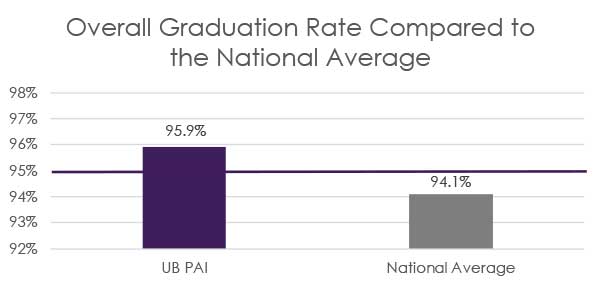
Figure 1: UB PAI: 95.9%; National average: 94.1%
Student satisfaction with faculty advisement
All students meet with their faculty advisor regularly throughout the program. The program recognizes the importance of faculty advisement as an opportunity for mentorship, collaboration, and support. As part of the Exit Survey distributed to all graduates, students are asked to rate their satisfaction with faculty advisement during their time in the program. This item is scored on a 4-point Likert scale (1 – Highly Dissatisfied, 2 – Dissatisfied, 3 – Satisfied, 4 – Highly Satisfied), and the program has set a benchmark score of 3 to demonstrate that students are satisfied overall with faculty advisement in the program.
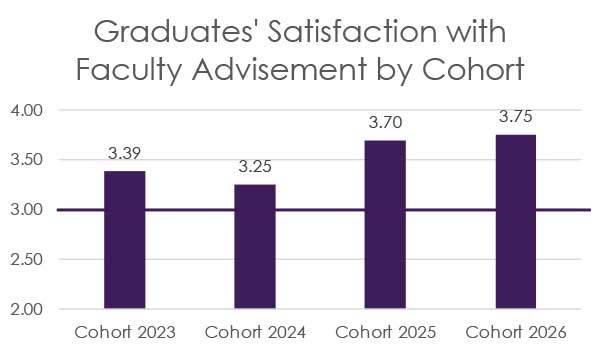
Figure 2: Cohort 2023: 3.39; Cohort 2024: 3.25; Cohort 2025: 3.70; Cohort 2026: 3.75
Participation in new student and alumni mentor programs
As part of UBPAI’s culture of support, students have the opportunity to work with a mentor in two available mentorship programs. As students prepare to matriculate into the program, they are offered the opportunity to connect with a peer mentor. This New Student Mentor Program allows incoming students the opportunity to ask questions, gather advice, and have a familiar face available as they begin PA school. Similarly, as students are preparing to graduate, they can choose to participate in the Alumni Mentor Program where students are paired with an alumnus of PAI who is working in a field they are interested in, living in an area where they plan to relocate, or who has similar interests. These programs foster collaboration and support between peers. UBPAI has set a benchmark of at least 75% of the cohort participating as mentees in both programs.
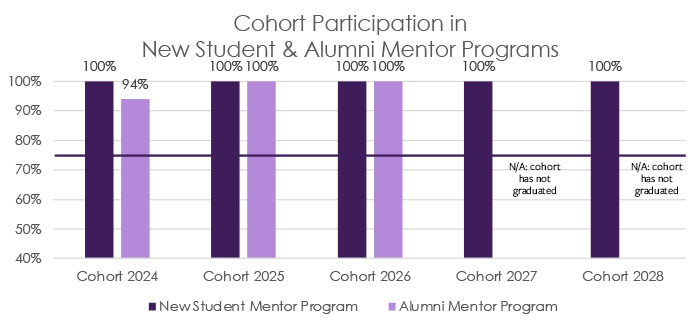
Figure 3: New Student Mentor Program, Cohort 2024-2028: 100%
Alumni Mentor Program, Cohort 2024: 94%; Cohort 2025-2026: 100%; Cohort 2027-2028: Cohort has not graduated
Faculty impression of remediation processes on student success
UBPAI continually strives to positively impact student success by identifying and addressing deficiencies in students’ knowledge, skills, or behavior during the program. An annual survey of faculty members asks them to evaluate the effectiveness of the program’s remediation processes in improving student performance. This item is scored on a 4-point Likert scale (1 – Strongly Disagree, 2 – Disagree, 3 – Agree, 4 – Strongly Agree), with a benchmark score of 3 to demonstrate that faculty agree that the remediation efforts positively impact student success.
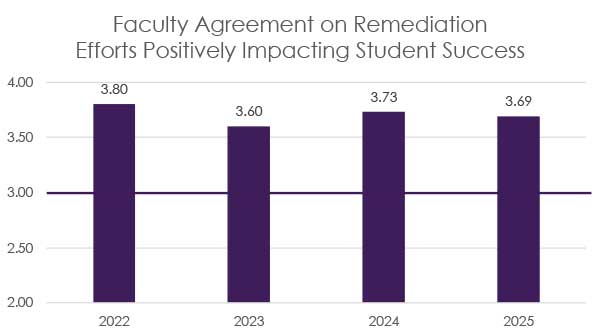
Figure 4: 2022: 3.8; 2023: 3.6; 2024: 3.73; 2025: 3.69
Benchmarks
Student satisfaction with mission-focused preparation
UBPAI values educating students with the knowledge and skills necessary to prepare them to work with diverse patient populations, practicing culturally sensitive and patient-centered care. Data has been gathered on graduates’ satisfaction with these specific mission-focused components. These items are scored on a 4-point Likert scale (1 – Highly Dissatisfied, 2 – Dissatisfied, 3 – Satisfied, 4 – Highly Satisfied), with a benchmark score of 3 to demonstrate that students are satisfied with the preparation provided in each of these categories.
Students were asked how satisfied they were with the program’s preparation
- To practice with cultural sensitivity
- To practice patient-centered care
- To demonstrate a commitment to caring for a diverse patient population
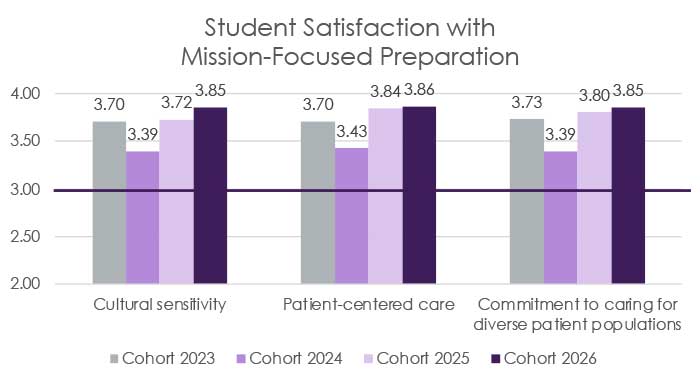
Figure 5: Cultural sensitivity, Cohort 2023: 3.7; Cohort 2024: 3.39; Cohort 2025: 3.72; Cohort 2026: 3.85
Patient-centered care, Cohort 2023: 3.7; Cohort 2024: 3.43; Cohort 2025: 3.84; Cohort 2026: 3.86
Commitment to caring for diverse patient populations, Cohort 2023: 3.73; Cohort 2024: 3.39; Cohort 2025: 3.8; Cohort 2026: 3.85
Faculty evaluation of mission-focused preparation
UBPAI analyzes the faculty’s impression of the curriculum’s alignment with the program mission, including culturally sensitive and patient-centered care. This data was first collected in 2021 and is collected annually. These items are scored on a 4-point Likert scale (1 – Strongly Disagree, 2 – Disagree, 3 – Agree, 4 – Strongly Agree), with a benchmark score of 3 to demonstrate that faculty agree that the curriculum is mission-focused on each of these categories.
Faculty members are asked to assess how well the PA curriculum prepares students for the following activities:
- Practice with cultural sensitivity
- Practice patient-centered care
- Demonstrate a commitment to caring for diverse patient populations
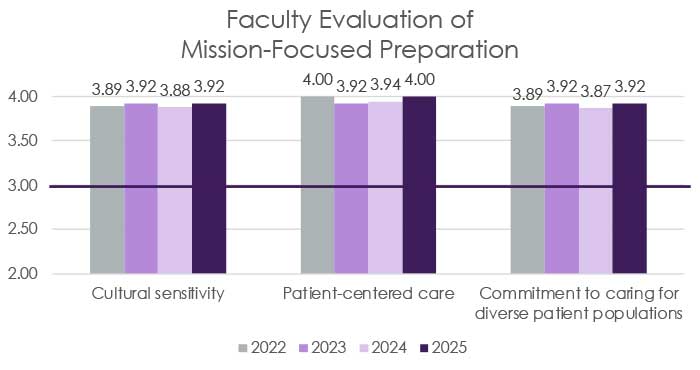
Figure 6: Cultural sensitivity, 2022: 3.89; 2023: 3.92; 2024: 3.88; 2025: 3.92
Patient-centered care: 2022 and 2025: 4.00; 2023: 3.92; 2024: 3.94
Commitment to caring for diverse patient populations, 2022: 3.89; 2023: 3.92; 2024: 3.87; 2025: 3.92
Preceptor evaluation of student performance
MSPA 630 Special Populations Selective supports the program’s commitment to preparing students to work with diverse patient populations. Specific data is collected regarding preceptor evaluations of students’ ability to demonstrate cultural sensitivity and patient-centered care. These items are scored on a 4-point Likert scale (1 – Below Expectations, 2 – Approaches Expectations, 3 – Meets Expectations, 4 – Exceeds Expectations), with a benchmark score of 3 to demonstrate that preceptors agree that students are meeting expectations related to these abilities.
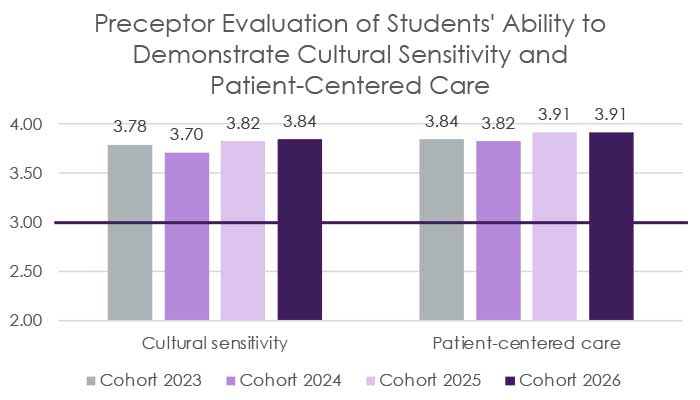
Figure 7: Cultural sensitivity, 2023: 3.78; 2024: 3.70; 2025: 3.82; 2026: 3.84
Patient-centered care, 2023: 3.84; 2024: 3.82; 2025: 3.91; 2026: 3.91
Benchmarks
PANCE first-time pass rate
UBPAI recognizes first-time PANCE performance as an indicator of students’ medical knowledge. The program has set a benchmark of meeting or exceeding the national average for first-time PANCE pass rates. This benchmark has been met in all recent years.
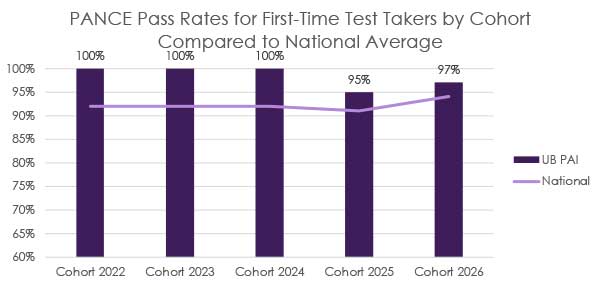
Figure 8: Cohort 2022: 100% (UB PAI); 92% (National average)
Cohort 2023: 100% (UB PAI); 92% (National average)
Cohort 2024: 100% (UB PAI); 92% (National average)
Cohort 2025: 95% (UB PAI); 91% (National average)
Cohort 2026: 97% (UB PAI); 94% (National average)
Preceptor evaluation of didactic preparation
Annually, preceptors are surveyed on their impression of students’ preparedness to enter the clinical phase. This provides an aggregate assessment of students’ preparation through their didactic education in topics including medical interviewing, physical exam, oral case presentations, written documentation, knowledge of diagnostic studies, performing clinical procedures, and forming/implementing management plans. These items are scored on a 4-point Likert scale (1 – Not Prepared, 2 – Poorly Prepared, 3 – Prepared, 4 – Very Prepared), with a benchmark score of 3 on the average of all preparedness categories, demonstrating that preceptors, on average, rate students as prepared across these areas.
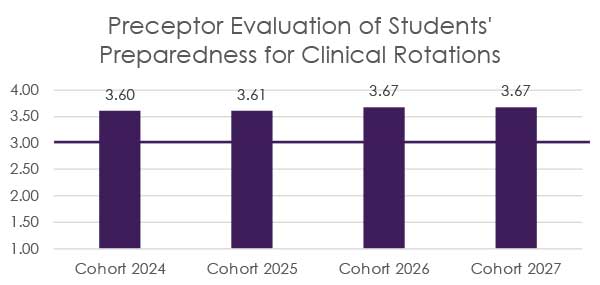
Figure 9: Cohort 2024: 3.60; Cohort 2025: 3.61; Cohort 2026: 3.67; Cohort 2027: 3.67
PAEA End of Rotation Exam scores
The UBPAI curriculum prepares students to manage acute, chronic, preventative, and emergent encounters in various health care settings across the lifetime. The program continually evaluates the curriculum and monitors student performance on exams throughout the program, including on the PAEA End of Rotation (EOR) exams administered during the clinical year. The program has set a benchmark of a mean EOR exam score that exceeds the national average for each exam.
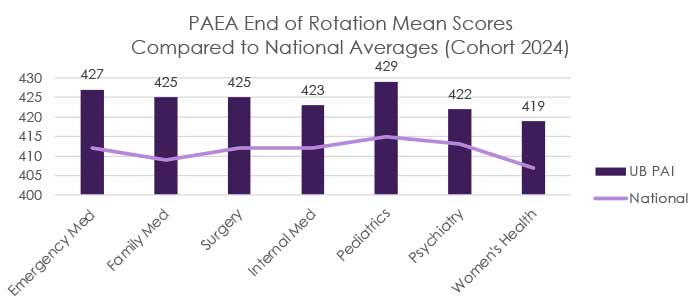
Figure 10: Emergency Med: 417 (UB PAI); 412 (National average)
Family Med: 425 (UB PAI); 409 (National average)
Surgery: 425 (UB PAI); 412 (National average)
Internal Med: 423 (UB PAI); 412 (National average)
Pediatrics: 429 (UB PAI); 415 (National average)
Psychiatry: 422 (UB PAI); 413 (National average)
Women’s Health: 419 (UB PAI); 407 (National average)
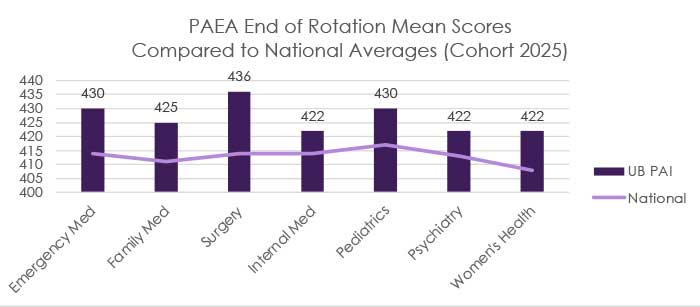
Figure 11: Emergency Med: 430 (UB PAI); 414 (National average)
Family Med: 425 (UB PAI); 411 (National average)
Surgery: 436 (UB PAI); 414 (National average)
Internal Med: 422 (UB PAI); 414 (National average)
Pediatrics: 430 (UB PAI); 417 (National average)
Psychiatry: 422 (UB PAI); 413 (National average)
Women’s Health: 422 (UB PAI); 408 (National average)
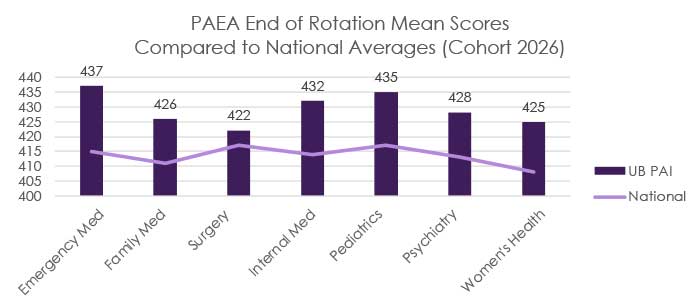
Figure 12: Emergency Med: 437 (UB PAI); 415 (National average)
Family Med: 426 (UB PAI); 411 (National average)
Surgery: 422 (UB PAI); 417 (National average)
Internal Med: 432 (UB PAI); 414 (National average)
Pediatrics: 435 (UB PAI); 417 (National average)
Psychiatry: 428 (UB PAI); 413 (National average)
Women’s Health: 425 (UB PAI); 408 (National average)
Alumni satisfaction with training received
Alumni are asked to rate their satisfaction with their medical knowledge and their preparation for clinical practice. These items are scored on a 4-point Likert scale (1 – Highly Dissatisfied, 2 – Dissatisfied, 3 – Satisfied, 4 – Highly Satisfied), with a benchmark score of 3 to demonstrate that alumni are satisfied with the training received in both categories.
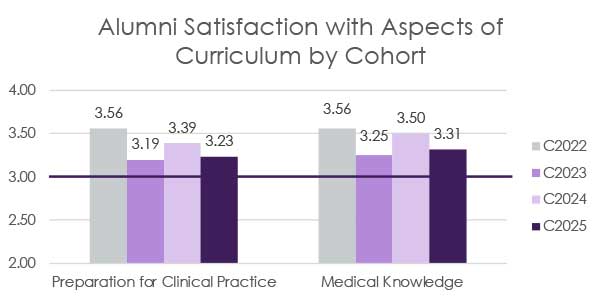
Figure 13: Preparation for Clinical Practice, 2022: 3.56; 2023: 3.19; 2024: 3.39; 2025: 3.23
Medical Knowledge, 2022: 3.56; 2023: 3.25; 2024: 3.50; 2025: 3.31
Benchmarks
Diverse experiences on rotations
The program has a variety of clinical rotations that expose students to diverse communities and patients. To increase exposure to diverse communities, the program has set a benchmark of 100% of students completing at least one rotation in a HRSA-designated health profession shortage area or medically underserved area.
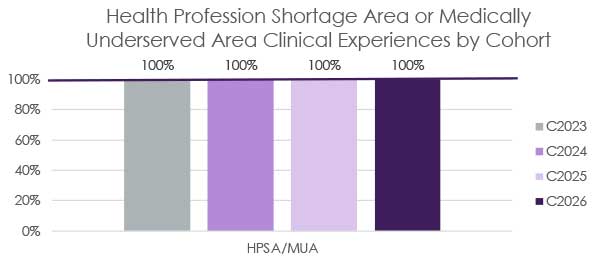
Figure 14: HPSA/MUA, 2023-2026: 100%
Alumni work settings
As part of the one-year alumni survey, data is collected related to alumni employment settings. Following the introduction of the Special Populations Selective, data was collected specifically on alumni working with special populations and in medically underserved areas. As of 2025, the program has increased the benchmark to 15% of alumni working in a HRSA-designated medically underserved area and 15% of alumni working with a special population at one-year post graduation. Nationally, 24.4% of physician assistants are practicing in health professional shortage areas (HPSAs) or MUAs (2024 NCCPA Statistical Profile of Board-Certified Physician Assistants). It should be noted that the NCCPA survey combines MUA and HPSA designations, while the UB survey item assesses MUAs only.
The UB employment data is based upon students who responded to the one-year alumni survey sent out annually, with an average response rate of 49% for Cohorts 2022-2025.
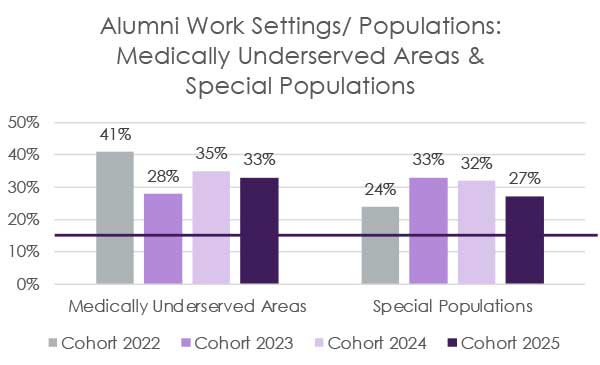
Figure 15: Medically underserved areas, 2022: 41%; 2023: 28%; 2024: 35%; 2025: 33%
Special populations, 2022: 24%; 2023: 33%; 2024: 32%; 2025: 27%
Benchmarks
Faculty-led outreach and recruitment events
Faculty are actively involved in outreach events throughout the community to raise awareness of the PA profession. These events aim to educate the public about the role of PAs and the educational pathway to enter the field. The program has established a benchmark of participating in a minimum of five faculty-led outreach or recruitment events annually.
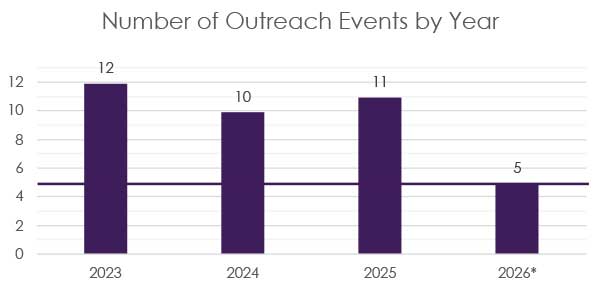
Figure 16: 2023: 12; 2024: 10; 2025: 11; 2026*: 5
* Data as of August 2026, including planned events
Outreach to students across various educational levels
To ensure that outreach efforts impact a broad range of age groups, the program engages with students at the elementary/middle school, high school, and college levels. Events are tailored to each educational stage to effectively share information about the PA profession. A benchmark of conducting at least one outreach event per year for each of these educational levels was established in 2025.
TABLE 1 Number of outreach events by setting
| Year | Elementary/middle school | High school | College |
|---|---|---|---|
| 2023 | 1 | 8 | 4 |
| 2024 | 1 | 6 | 2 |
| 2025 | 1 | 7 | 3 |
| 2026* | 2 | 2 | 1 |
Note: Community events are not included in these school totals by year.
* Data as of August 2026, including planned events
Outreach to a variety of surrounding communities
The program prioritizes engagement with a wide range of local communities to expand awareness of the PA profession. Outreach events are conducted in different areas across the region, with the goal of reaching diverse populations and broadening the program’s impact. Importantly, many of these events take place in communities designated by HRSA as Health Profession Shortage Areas (HPSAs) and/or Medically Underserved Areas (MUAs), including Bridgeport, Stratford, New Haven, Waterbury, Norwalk, and New York City. To further strengthen this commitment, the program has set a benchmark of participating in a minimum of three outreach events in MUAs annually.
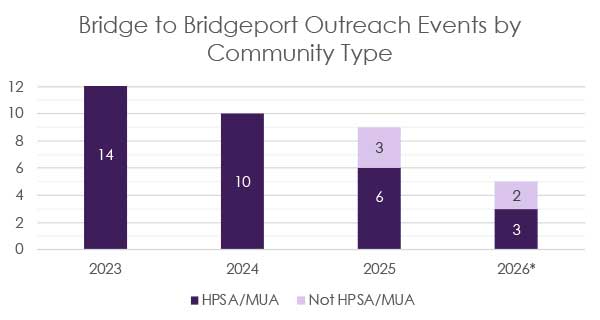
Figure 17: HPS/MUA, 2023: 14; 2024: 10; 2025: 6; 2026*: 3;
Not HPS/MUA, 2025: 3; 2026*: 2
* Data as of August 2026, including planned events
Program competencies
Program competencies
Graduates of University of Bridgeport’s Physician Assistant Institute will be able to demonstrate competence in the following areas:
Competency abbreviations
Definitions of the abbreviations are as follows: Medical Knowledge (MK), Interpersonal Skills (IS), Clinical Skills (CS), Technical Skills (TS), Professional Behaviors (PB), Clinical Reasoning and Problem-Solving Abilities (CR). Abbreviations are based on the Competencies defined by the Accreditation Standards for PA Education, Sixth Edition (PDF).
Where our graduates work
- Baystate Health
- Beth Israel Deaconess Medical Center
- Bristol Health
- Hartford Healthcare
- Westchester Medical Center Health Network
Admission requirements
Admission requirements and deadlines
University of Bridgeport’s PA program does not accept international students, including those on an F-1 Visa. Admission requirements must be completed at the time of application. Applicants may apply with one prerequisite course in progress if it is completed prior to matriculation.
Program prerequisites
- Bachelor’s degree from a regionally accredited institution
- Overall cumulative GPA of 3.0 or higher
- Overall science GPA of 3.0 or higher
- Anatomy and Physiology with labs: 8 credits, human or mammalian
- Biology with lab: 4 credits
- Chemistry with labs: 8 credits, general or inorganic
- Microbiology: 3 credits, lab not required
- Organic chemistry or biochemistry: 3 credits, lab not required
- Psychology: 3 credits
- Statistics: 3 credits
- 1000 hours of direct patient care experience, completed at the time of application
- Proficiency in English is vital for delivering high-quality patient care and ensuring clear communication with patients. Applicants whose first language is not English and who have not completed a bachelor’s degree or higher in the United States are required to submit official TOEFL iBT scores as part of the admissions process. No other English-proficiency tests are accepted. For applicants who must submit scores, effective January 2026, the program requires either a minimum total TOEFL iBT score of 90, with no individual section score below 22, or an overall TOEFL iBT score of 5, with no component score below 4.
- Required coursework must be completed within 10 years of the current application year, with a “C” or better, from a regionally accredited institution within the United States. Statistics and psychology must be completed within 15 years of the current application year. Quarter credits will be converted to semester credits by CASPA, using their conversion ratio (1.0 quarter hour = 0.667 semester hours). Pass/fail courses and international courses will not be accepted for individual prerequisite coursework requirements (please see Admission FAQ for exceptions). Advanced Placement (AP) courses are accepted only for the statistics and psychology prerequisites. A minimum score of 4 or 5 is required to fulfill these requirements. AP courses will not be accepted for any science prerequisites.
- Applicant screening: University of Bridgeport’s PA program does not favor any specific group or individuals, however the most desirable applicants will show evidence of: cumulative overall and cumulative science GPAs above the minimum requirements; a rigorous and successful undergraduate and prerequisite academic career; the ability to be resilient or overcome challenges; a personal mission that aligns with the program mission; a strong understanding of the PA profession; excellent self-awareness and insight; strong teamwork and interpersonal skills; strong personal references; and direct patient care experience that exceeds the minimum requirement and is of high quality (hands-on contact with patients and/or high-level decision making in a medical environment).
Required materials, submitted to CASPA
- CASPA application and personal statement
- Official transcripts from all schools attended
- Three letters of recommendation
- Supplemental essays specific to University of Bridgeport
- Detailed and accurate documentation of duties performed during patient care experiences
- Rolling admissions: We embrace a rolling admissions process, ensuring flexibility for applicants throughout the cycle. In-person interviews for the most qualified candidates will be conducted between June and August.
- Our application window remains open until August 1 at 11:59 p.m. EST or until our class reaches full capacity.
- Please note that all applications must be verified by CASPA by the August 1 deadline to be considered for review by our admissions team.
Full admission requirements
Admission requirements must be completed at the time of application. Applicants may apply with one prerequisite course in progress if it is completed prior to matriculation. All coursework must be satisfactorily completed by the end of December in the year preceding enrollment.
- Bachelor’s degree from a regionally accredited institution
- Students who received an undergraduate degree from an international institution must complete a degree evaluation from World Education Services (WES) to determine equivalency to a bachelor’s degree from a regionally accredited institution in the United States. Please see Admission FAQ for more information.
- Overall cumulative GPA of 3.0 or higher
- Overall science GPA of 3.0 or higher
- Anatomy and Physiology with labs: 8 credits. Must include labs. Must be human or mammalian. Acceptable courses include 4 credits of physiology with lab plus 4 credits of anatomy with lab, OR 8 credits of “Anatomy and Physiology” with labs
- Biology with lab: 4 credits. Must include lab. May be replaced by upper level biology course with lab, only if this course does not overlap with additional microbiology requirement listed below.
- Chemistry with labs: 8 credits. Must include labs. General/inorganic chemistry. Both semesters may be replaced by upper-level chemistry courses with labs, only if these courses do not overlap with additional organic or biochemistry requirement listed below.
- Microbiology: 3 credits. Lab not required. (this is in addition to the other biology requirement)
- Organic chemistry or biochemistry: 3 credits. Lab not required. (this is in addition to the other chemistry requirement)
- Psychology: 3 credits
- Statistics: 3 credits
- Only one prerequisite course can be in progress at the time of application
- Admission FAQ – Applicants are strongly encouraged to review all questions listed in Admission FAQ in addition to program prerequisites above in detail prior to submitting application.
- 1000 hours of direct patient care experience – must be completed at the time of application submission
Please submit all materials below to the Central Application Service for Physician Assistants (CASPA). No applications or supplemental materials will be accepted by University of Bridgeport directly.
- CASPA application and personal statement
- Official transcripts from all schools attended
- Three letters of recommendation
- Supplemental essays specific to University of Bridgeport
- Detailed and accurate documentation of duties performed during patient care experiences
Rolling admissions
We embrace a rolling admissions process, ensuring flexibility for applicants throughout the cycle. In-person interviews for the most qualified candidates will be conducted between June and August.
Application deadline
Our application window remains open until August 1 at 11:59 p.m. EST or until our class reaches full capacity. We encourage applicants to submit their applications early to enhance their chances of securing an interview.
Application verification
Please note that all applications must be verified by CASPA by the August 1 deadline to be considered for review by our admissions team. Applications can only be verified once all payments, transcripts, and letters of evaluation have been received by CASPA. To guarantee timely verification, we urge applicants to submit their application at least four weeks before the deadline.
Program commencement
Our program commences in January. All pending prerequisites must be successfully completed by December 20 to ensure a smooth start to the program.
Our PA program maintains a comprehensive set of policies designed to promote student success, foster a safe and equitable learning environment, and uphold accreditation requirements. We encourage prospective students to familiarize themselves with these policies to gain a clear understanding of the program’s expectations and responsibilities.
University of Bridgeport’s PA program does not accept international students, including those on an F-1 Visa.
University of Bridgeport’s PA program does not offer the option to defer admission to future cycles. We encourage accepted students to carefully consider their readiness to begin the program before securing their seat with a deposit. If a student decides to withdraw after accepting, their seat and non-refundable deposit will be forfeited. Candidates are welcome to reapply in a future admissions cycle and will be considered alongside other applicants at that time.
University of Bridgeport’s PA program does not grant advanced placement for any portion of the curriculum.
Completion of a degree at University of Bridgeport’ Physician Assistant Institute signifies the graduate is prepared to practice as a physician assistant. The Technical Standards (PDF), as distinguished from academic standards, refer to the physical, cognitive, and behavioral abilities required for participation and completion of all aspects of the curriculum and for entry into the PA profession. These standards are required by the Accreditation Review Commission on Education for the Physician Assistant and are common to all programs.
All students must satisfactorily complete a background check upon acceptance of admission, prior to January 1, and annually thereafter until graduation. Some rotation sites require an additional background screening as a condition for access to the site. Students are responsible for the cost associated with the background check.
All students must satisfactorily undergo toxicology screening upon acceptance of admission, prior to January 1, and annually thereafter until graduation. Some rotation sites require an additional drug screen as a condition for access to the site. Students are responsible for the cost of this testing. Testing positive or refusing drug testing may result in an inability to complete the clinical year, and to graduate.
University of Bridgeport prohibits discrimination in admission, educational programs and services, and employment on the basis of race, color, religious creed, age, marital status, national origin, ancestry, sex, gender, sexual orientation, gender identity or expression, disability, genetic information, veteran status and any other basis protected by law. The University is committed to preventing or eliminating all forms of gender-based discrimination in its education programs or activities in accordance with its commitment to Title IX of the Education Amendments of 1972.
For questions regarding Title IX, please contact:
The U.S. Department of Education
- Office for Civil Rights, 8th Floor, Five Post Office Square, Boston, MA 02109-3921
- 617-289-0111
- 617-289-0150
- TDD: 800-877-8339
- ocr.boston@ed.gov
UBPAI is proud to foster the success of first-generation students at a university that recognizes their contributions and offers unique resources to support their journey.
University of Bridgeport is a proud participant in the Yellow Ribbon Program. While the UB PA program does not favor any specific groups or individuals, military members and veterans who matriculate have the opportunity to apply for these educational benefits.
DACA recipients are welcome to apply to our program. DACA students are required to have an employment authorization card (I-766) to participate in clinical rotations. DACA students will also require a social security number in order to sit for the national certifying exam (PANCE). Many states in the US allow DACA recipients to receive medical licenses. We suggest that DACA recipients contact the financial aid department prior to admission, to discuss any tuition questions.
- 203-576-4568
- 203-576-4570
- finaid@bridgeport.edu
Direct patient care experience FAQ
University of Bridgeport’s Physician Assistant program requires a minimum of 1000 hours of direct patient care experience. For experience to be considered “direct patient care”, it must involve hands-on contact with patients and/or high-level decision-making in a medical environment. These experiences may be paid or volunteer. The PA program faculty/Admissions committee will review all duties listed, therefore please be as specific as possible when documenting your responsibilities. Hours documented in CASPA must be completed at the time of your CASPA application submission. Hours that you plan to obtain in the future cannot be counted toward your documented patient care experience.
Please see the listed examples of patient care experiences to determine whether the University of Bridgeport PA program will accept them. These lists are intended as a guide and are not all-inclusive:
For experience to be considered “direct patient care”, it must involve hands-on contact with patients and/or high-level decision making in a medical environment. These experiences may be paid or volunteer.
- Athletic trainer
- Certified nursing assistant (acute hospital setting)
- Chiropractor
- Clinical psychologist
- Clinical researcher – if patient contact involved
- Dentist
- Doctor of Traditional Chinese Medicine
- Emergency dept technician
- EMT/paramedic
- Lactation consultant
- Licensed acupuncturist
- LPN
- Medical scribe
- Military medic
- Naturopathic doctor
- Nurse’s aide (acute hospital setting)
- Occupational therapist
- Ophthalmic technician
- OR technician/surgical technician
- Patient care assistant (acute hospital setting)
- Pharmacist
- Phlebotomist
- Physical therapist
- Psychiatric technician (acute hospital setting)
- Radiology technician
- Registered dietitian- clinical practice
- Respiratory therapist
- RN
- Sleep technician
These experiences are evaluated on a “case-by-case” basis, and will be determined by the PA program faculty/Admissions Committee, based on the description of duties noted on your application. Please provide a detailed and accurate account of your responsibilities for each experience documented. Generally, duties involving direct contact with patients, (such as checking vital signs and blood glucose) are likely to be accepted, while duties that are administrative, clerical, or focused on activities of daily living, companionship, and transportation will likely not be accepted.
- Certified nursing assistant (extended care facility or home setting)
- Dental assistant
- Home health aide
- Medical assistant (outpatient/office setting)
- Medical lab scientist/Lab technologist
- Nurse’s aide (extended care facility or home setting)
- OT aide
- Patient care assistant (extended care facility or home setting)
- Peace Corps volunteer – medical role
- Personal caretaker
- Pharmacy technician
- PT aide
While valuable to the healthcare system, society, and to your life experience, these activities will not be accepted as direct patient care hours.
- Camp counselor
- Candy striper
- CPR or ACLS instructor
- Esthetician
- Experience gained as part of training for a certification/degree (ex: internship)
- Health educator
- Hospital volunteer
- Life coach
- Lifeguard
- Massage therapist
- Medical biller/coder
- Medical device vendor
- Medical mission volunteer
- Medical secretary/unit clerk
- Medical translator
- Patient transporter
- Personal trainer/exercise instructor
- Pharmaceutical representative
- Recreational aide for special needs population
- Ski patroller
- Shadowing
Program policies of interest to prospective students
The following resources outline policies and procedures applicable to prospective and current students in University of Bridgeport’s Master of Science in Physician Assistant program.
2026-27 PAI Student Handbook (PDF) · Technical Standards (PDF)
Student voices
Graduates, in their own words
Interested in exploring life as a UB PA student? See what recent graduates have to say about their experiences.
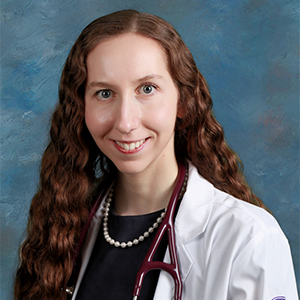
I learned so much about medicine, and life overall, during my time as a PA student. Throughout the didactic phase, I gradually built a strong foundation of medical knowledge that I was then able to apply and advance while out on clinical rotations. During my training, one of my professors encouraged my cohort to stop and ask ourselves, ‘If not you, then who?’ when faced with complex cases. This has become one of my favorite mottos because it reminds me to do my best to go the extra mile when treating patients. As a result, I strive to treat the whole person as a new grad PA, rather than just a disease or diagnosis.

During my time at UB I was a student working hard, but also a husband and father. I received a quality education and the support from the UB faculty and staff, which enabled me to be successful in my career and a great provider for my family.
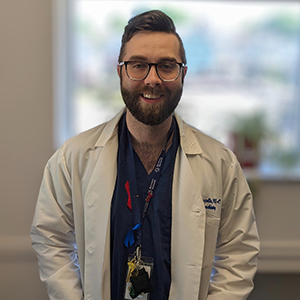
Working in the Bridgeport area, my patients are both proud and reassured when they find out I completed my PA training at University of Bridgeport. Not only was the didactic education top notch due to the astute professors and expert in-field guest lecturers, but also having access to desired clinical rotations makes University of Bridgeport PA program a sure choice. A statement from one of my professors that has always stuck with me — ‘hold yourself accountable’. This reminds me every day to be the best that I can and utilize the skills this program taught me. Truly a wonderful experience and I made some lifelong friendships along the way.
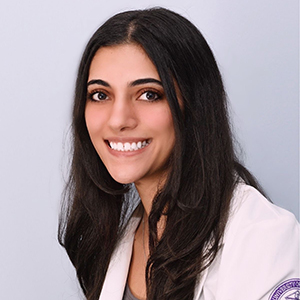
I chose UB’s PA program because of its mission of culturally sensitive, patient-centered care, which is in every part of our training, from classroom to clinical rotations. UB didn’t just teach me clinical skills; it taught me to treat the whole person: body, mind, and soul. I’m especially grateful for the hands-on simulations, cadaver labs, and impactful coursework. Serving underserved communities, working with veterans, and rotating in interventional and electrophysiology cardiology allowed me to apply my training while confronting real-world barriers. Thanks to UB, these experiences shaped me into a compassionate and mindful provider.
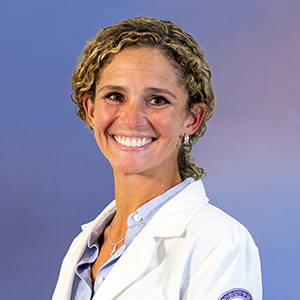
I am a proud and grateful UB PAI graduate. After finishing my clinical year, I was confident and ready to embark on my career because of the excellent preparation I received at UB. The faculty is dedicated, always going above and beyond to ensure our readiness with a rigorous curriculum and a supportive community. From the cadaver lab and simulation lab to clinical medicine lectures, practicing physical exams and technical skills, and winning the National Medical Challenge Bowl in Tennessee, I could not have asked for a better experience.
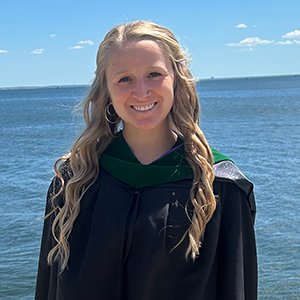
I chose to earn my master’s degree from the Physician Assistant Institute at UB because it seemed like it really prepared PA students well and set them up for success after school. I especially appreciated that I was able to travel for my clinical rotations, as it gave me a very unique experience that most other schools do not offer. My advice to future PA students at UB is to make sure to study hard but also have fun. PA school goes by faster than you think, so enjoy all the memories you will make.
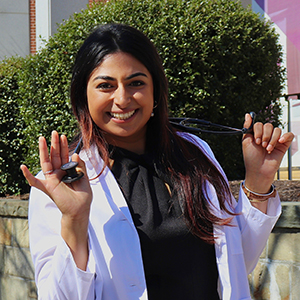
Our professors would always say, ‘You will miss PA school. These are some of the best 2-3 years of your life.’ At that point, just trying to make it through finals week, I would never believe them. But now, looking back at my experience at UB and how genuinely the faculty supported my success, how holistic and clinically applicable the curriculum was, and how comfortably my relationships with my classmates were nurtured, I would love to give my professors the opportunity to say, ‘We told you so.’
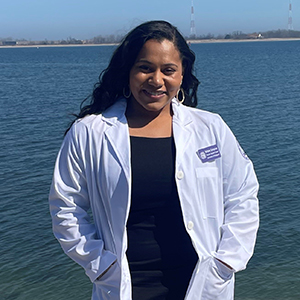
Throughout my time at UBPAI, I received a quality education, felt extremely supported and encouraged by the facility, and made lifelong friends. My favorite part of the program was the cadaver lab. Seeing all of the body systems in real time was an incredible learning experience. During my elective rotation I was able to rotate through a NICU and immerse myself into the specialty while having an amazing experience — so amazing that I pursued a career in the NICU as my first job right out of PA school. I am so thankful for all of the opportunities I received throughout my time at UBPAI.
During my time as a UB PA student, I gained more knowledge, clinical skills, and lifelong friends than I ever could have imagined. The rigorous curriculum, combined with supportive classmates and dedicated professors, fosters an environment capable of producing competent and empathetic providers. I am confident that I am prepared to begin my career as a PA-C with the medical knowledge base and skill set I gained at UBPAI. If I could do it over again, I would choose UBPAI every time.
My experience here at University of Bridgeport’s Physician Assistant Institute has been nothing short of exceptional. The quality of education paired with the dedication and support of the faculty and staff has made my journey to becoming a physician assistant memorable. I could not imagine a career greater than that of a physician assistant, nor can I imagine a better way of achieving that goal other than attending UBPAI. UBPAI will always hold a special place in my heart, and I owe it my success!
Meet the Physician Assistant program director
Thank you for your interest in the PA program at University of Bridgeport.
Our 28-month, ARC-PA-accredited program at University of Bridgeport stands out for its unique approach. We focus on developing fundamental medical knowledge and preparing students for clinical practice, with a special emphasis on global health, integrative medicine, and patient-centered care. Our curriculum equips you with the skills to work in various fields, and our affiliated training sites provide a wide variety of clinical environments for learning and practice.
At University of Bridgeport, we are committed to your education and professional development. Our highly trained faculty, with decades of experience in their fields, provide valuable insights and training. But it’s not just about the academics — our focus on mentorship ensures that you have the support and lasting connections of student, faculty, and alumni mentors as you progress into your career.
We take great pride in the caliber of our curriculum, our students’ dedication, and our graduates’ achievements. Our commitment to providing excellent PA training has made our graduates highly sought-after for employment and residency opportunities.
Lauren Weindling, PA-C, DMSc, CAQ-EM, Program Director
Common questions
Frequently asked questions
Yes. Prerequisites taken at community colleges are acceptable. A rigorous undergraduate career is an important characteristic, so students are encouraged to take multiple challenging courses during their undergraduate years, including upper level science courses, in preparation for the rigors of PA school.
Online courses may be used to fulfill a prerequisite provided they meet all other requirements associated with that prerequisite.
Letter grades are strongly preferred for all courses. Letter grades are required for all prerequisite courses, and pass/fail grades will not be accepted. Applicants who elected pass/fail grading due to the COVID-19 pandemic must submit documentation verifying that the grading change was pandemic-related. In these circumstances, the applicant must also submit a letter from the course instructor, documenting that the student’s average in the course was a “C” or above for the course to be considered a valid prerequisite. What documentation is required if my transcript does not explicitly indicate that a lab component was included in the course title for chemistry, biology, and anatomy and physiology prerequisite courses? If your transcript does not clearly state that laboratory components were included in your prerequisite courses for chemistry, biology, and anatomy and physiology requirement, please submit additional documentation into your application for review. Acceptable forms of documentation include a course syllabus or an official course catalog entry that verifies the inclusion of a lab for each course.
We encourage applicants to shadow PAs, but shadowing hours will not count toward “Patient Care Experience” or “Health Related Experience.” Shadowing hours should be documented in the “Shadowing Experience” section of the CASPA application.
All of our prerequisites are geared toward an undergraduate program, however some graduate level courses may be substituted in place of an undergraduate prerequisite if it meets all other requirements of the prerequisite, and if the applicant does not have undergraduate courses that match the prerequisites. Graduate level courses are included in the overall cumulative GPA and overall science GPA calculations by CASPA.
CASPA uses a standardized conversion ratio to calculate the quarter credit to semester credit equivalency. Applicants must meet the required number of semester credits for each prerequisite. The conversion ratio used by CASPA is: 1.0 quarter hour = 0.667 semester hours. As an example, an applicant would need 6 quarter credits to equal a 4 credit requirement for a prerequisite.
Our most desirable applicants achieve overall GPA and science GPA above the minimum requirements, patient care experience that is high quality and well above the minimum required number of hours, show evidence of a rigorous undergraduate and prerequisite academic career, and have a personal mission that aligns with the mission of our program. Additionally, they have a strong understanding of the PA profession, excellent self-awareness and interpersonal skills, and exhibit evidence of perseverance, passion for, and commitment to their goals.
The Physician Assistant Education Association (PAEA) has developed a CASPA Reapplicant Checklist which can be used to help improve your application for this competitive process.
Students who have completed their undergraduate degree internationally must complete a degree evaluation from World Education Services (WES) to determine equivalency to a bachelor’s degree from an accredited institution in the United States. If WES deems the student’s degree equivalent, it will be accepted as the bachelor’s degree requirement. You must complete required prerequisite courses at an accredited institution in the United States. Please note, the course grades in the WES will be included in your overall GPA and overall science GPA using a formula provided by CASPA.
University of Bridgeport’s PA program does not offer the option to defer admission to future cycles. We encourage accepted students to carefully consider their readiness to begin the program before securing their seat with a deposit. If a student decides to withdraw after accepting, their seat and non-refundable deposit will be forfeited. Candidates are welcome to reapply in a future admissions cycle and will be considered alongside other applicants at that time.
University of Bridgeport’s PA program does not grant advanced placement for any portion of the curriculum.
University of Bridgeport’s PA program is an on-campus program requiring in-person participation and attendance. Due to the PA program’s rigorous nature, we highly recommend that students consider relocating closer to campus to minimize commute times and ensure they can fully dedicate themselves to their studies. Additionally, for clinical rotations, reliable transportation is essential. Some rotations may require commuting between sites, so having access to reliable transportation, such as a personal vehicle, is important.
Course catalog
Full course descriptions
View all courses offered and read full course descriptions in our online course catalog system.
Term 1
6 courses
18 credits
Term 1
Term 2
6 courses
20 credits
Term 2
Term 3
6 courses
19 credits
Term 3
Term 4
4 courses
13 credits
Term 4
Term 5 – 17.5 credits
4 courses
Term 5 – 17.5 credits
Term 6 – 13.5 credits
3 courses
Term 6 – 13.5 credits
Term 7
4 courses
12 credits
Term 7
Order of clerkships may vary by student schedule.
More in health sciences
Start your application
Our program commences in January. All pending prerequisites must be successfully completed by December 20 to ensure a smooth start to the program.