

College of Science and Society Graduate
Master of Science in Clinical Mental Health Counseling
MS Master of Science in Clinical Mental Health Counseling
Now, more than ever, we need skilled and sympathetic counselors to help address the mental health needs of our communities.
Turn compassion into a counseling career
Become the clinical mental health counselor your community needs
Counseling is more than a career — it’s a calling. If you’re compelled by compassion and driven to make a meaningful difference, this career path may just be calling to you. At University of Bridgeport, our Clinical Mental Health Counseling master’s program prepares you with the knowledge and skills to provide meaningful and effective counseling services to all patient populations.
Personal growth
Understand your own development
To best help others navigate their mental health, you’ll need a thorough understanding of yourself. Self-awareness is critical to your development as a counseling professional.
Your values, coping strategies, boundaries, biases, and more are essential to your success as a future clinical mental health provider.
Professional growth
Learn the theory behind the practice
To excel as a counselor, you need to develop a strong understanding of the history, theoretical concepts, and best practices that inform modern counseling.
Through coursework focused on counseling theories, crisis intervention, addiction treatment, and more, UB will provide you with the professional expertise necessary to achieve a fulfilling career as a clinical mental health counselor.
Clinical skill
Apply what you learn in the field
Thanks to our connections with mental health care providers throughout the state, you’ll have the opportunity to immerse yourself in the real world of Clinical Mental Health Counseling.
You will complete a 100-hour practicum and two 300-hour internships in the field — allowing you to begin making a difference before you even graduate.
A full year of supervised field experience
Supervised internship experience is critical to counselor development and job placement. Our students intern in mental health and substance abuse clinical settings including hospitals, intensive outpatient programs, outpatient programs and residential treatment facilities.
Practicum and Internship courses meet weekly for didactic training and student reflective practice under the supervision of University of Bridgeport faculty. University of Bridgeport’s Clinical Mental Health Counseling program offers enhanced learning opportunities made possible through funding from the Health Resources and Services Administration (HRSA). Participating UB CMH Counseling students will receive a stipend during their internship experience.
Admission
What you need to apply
While this program is not open to international students, we invite you to explore other opportunities at UB. See our full list of academic programs. Completed application and all supporting documents must be received by:
Prerequisites
- Bachelor’s degree from an accredited university or recognized international institution
- Cumulative undergraduate GPA of 3.0 or higher (will consider lower GPAs for highly qualified applicants)
- 9 credits in undergraduate psychology coursework with a grade of B or higher
- Volunteer or work field experience in social service agencies, mental health professions, or substance use intervention sites
- Applicants are recommended to have three undergraduate credits in either abnormal psychology or psychopathology
Required materials
- Application
- Official transcript for the last degree earned
- Resumé: For Clinical Mental Health Counseling applicants, significant exposure to the field of counseling must be demonstrated
- Interview: Once all required materials are received, you will be contacted to meet with the review committee for an interview
- International transcripts must include an official course-by-course evaluation of all academic work from an accredited academic evaluating service.
- International applicants: Please consult our international admission requirements, or for specific queries, contact your admissions officer.
Deadlines
Inside UB’s Clinical Mental Health Counseling program
Curriculum
A 60-credit, trauma-informed curriculum
University of Bridgeport’s Clinical Mental Health Counseling program is designed to provide you with the advanced knowledge and clinical skills necessary to become the compassionate counselor your community needs. Our 60-credit evidence-based curriculum blends classroom learning with practical experience. As you learn the best practices of modern counseling, you’ll have the opportunity to apply your knowledge during an internship in the field.
Counseling theories
You’ll study counseling theories, assessment, diagnosis, crisis intervention, ethics, and trauma-informed care
Trauma-informed care
Our 60-credit trauma-informed curriculum will help you build the foundation you need to provide expert counseling to a broad range of client communities.
Practicum and internship
A 100-hour practicum and 600 internship hours in real clinical settings.
Examination preparation
Our comprehensive, trauma-informed Counseling MS curriculum helps prepare you for success on the National Counselor Examination (NCE) or the National Clinical Mental Health Counseling Examination (NCMHCE).
After you graduate
Your path to licensure
Professional counselors must hold a license in the state where they practice. In Connecticut, the Department of Health issues licensure for clinical mental health counselors.
CACREP accredited
The Council for Accreditation of Counseling and Related Educational Programs (CACREP), a specialized accrediting body recognized by the Council for Higher Education Accreditation (CHEA), has granted accreditation to the Clinical Mental Health Counseling MS degree program in the College of Science and Society at University of Bridgeport through March 31, 2028.
Counseling Certificate of Advanced Study
Ready to become a Licensed Professional Counselor (LPC)? At University of Bridgeport, our Certificate of Advanced Study (CAS) will provide you with the knowledge, skills, and training necessary to earn your licensure — preparing you for a fulfilling future as a Licensed Professional Counselor (LPC).
At UB, our CAS program is flexibly designed with your needs in mind — helping you fulfill the requirements necessary to become a Licensed Professional Counselor (LPC). The number of credits needed to complete your CAS will vary based on your academic background. However, our CAS program is about more than gaining specialized knowledge. In addition to your coursework, you may complete two 300-hour internships and a 100-hour practicum — developing your clinical competence and confidence while securing your path to licensure.
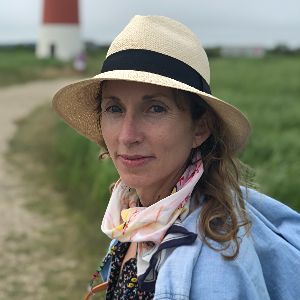
Meet the Counseling program director
Dr. Buller is an associate professor of counseling and psychology at UB, where she serves as the MS in Clinical Mental Health Counseling program’s department chair. She has training and experience working with clients using evidence-based treatments. Her professional training includes Dialectical and Behavioral Therapy Skills training, Circle of Security Parenting, Motivational Interviewing and Mindfulness Based Cognitive Therapy (MBCT).
Dr. Buller received several grants to support her dissertation study, “Exploring the Experiences of Counselor Educators Recognized for Their Excellence in Teaching.” Her research interests include best practices in counselor education, DBT-Skills facilitation, MI, COSP and MBCT.
Allison Buller, Ph.D., LPC, Program Director
Student voices
What our students say
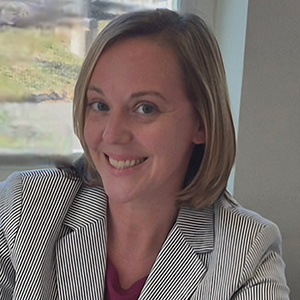
Attending University of Bridgeport was the single best decision I’ve made in my learning career, and maybe even my life. Being a part of this community has provided me with the support I needed, and the professors who taught me will be lifelong mentors.
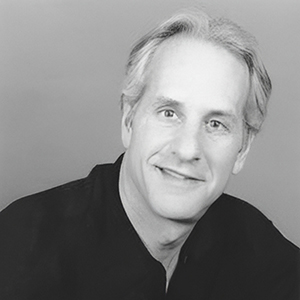
If I were to put my experience with the Counseling program at UB into one or two sentences, I would say that it was great learning from expert faculty who truly cared about my growth as an individual and as a counselor. I was also supported, encouraged, and challenged by the other students in the program. In short, it was a great experience.
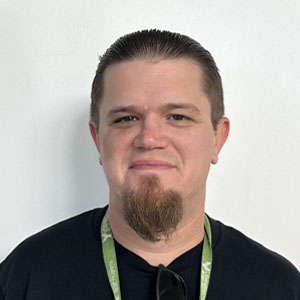
Being in this program will help me better provide for my family and push forward in a field I love. […] The professors are all amazing at their profession and are always there to help me when needed. I am currently a substance abuse counselor and also in recovery myself. I wanted to get into this field to help people because I remember in the past, I had more negative experiences than positive ones within substance abuse treatment. I want to be able to combat that, and this is the best way to do it.
What I wasn’t expecting was the camaraderie I felt with my classmates. From the very first class, we role-played scenarios, swapped telephone numbers, and studied and networked together. (…) Seeing and experiencing the growth with my classmates made me emotional at times. We encouraged one another and gave much-needed feedback. There was no competition or isolation. My peers became my UB family.
Questions
Frequently asked questions
To apply, you’ll need to submit an application, official transcripts, and a resumé. Qualified applicants will also be invited to interview with the program’s review committee. Applicants should have a bachelor’s degree, the required psychology coursework, and relevant volunteer or work experience in the counseling field.
Our 60-credit master’s in Clinical Mental Health Counseling curriculum combines evidence-based coursework with hands-on clinical training. You’ll study counseling theories, assessment, diagnosis, crisis intervention, ethics, and trauma-informed care while completing a 100-hour practicum and 600 internship hours in real clinical settings.
By graduation, you’ll have the knowledge and clinical experience needed to pursue licensure as a clinical mental health counselor. You’ll also be prepared to sit for the National Counselor Examination (NCE) or the National Clinical Mental Health Counseling Examination (NCMHCE) and begin your post-graduate supervised clinical experience.
The Clinical Mental Health Counseling program at University of Bridgeport trains future clinical mental health counselors in trauma-informed, evidence-based counseling strategies used to meet the mental health needs of diverse communities. Through a commitment to cultural humility and advocacy, the program aims to enhance the mental and emotional well-being of all we serve, especially those in marginalized and underrepresented communities. We are a nexus for the dissemination of evidence-based treatment to the communities our students and alumni serve.
Program handbook and annual report
Course catalog
Every course, in full
View all courses offered and read full course descriptions in our online course catalog system.
Curriculum requirements
17 courses
Curriculum requirements
To earn your Master’s Degree, complete the following courses as well (which may be taken asynchronously online):
| Course Code | Course Title |
|---|---|
| COUN 512 | Counseling Theories |
| COUN 515 | Clinical Skills for Mental Health Counseling |
| COUN 535 | Principles of Applied Research |
| COUN 540 | Group Process; Application and Theory |
| COUN 545 | Social and Cultural Foundation |
| COUN 552 | Human Development; a Lifespan Approach |
| COUN 568 | The Counselor As Professional |
| COUN 570 | Strategies and Techniques of Counseling |
| COUN 572 | Supporting Self-Regulation Competency |
| COUN 575 | Practicum |
| COUN 582 | Appraisal Procedures for Counselors |
| COUN 585 | Trauma |
| COUN 588 | Selected Topics in Behavioral Medicine |
| COUN 595 | Addictions and Treatment |
| COUN 600 | CMHC Internship I |
| COUN 605 | CMHC Internship 2 |
| COUN 610 | Career & Lifestyle Development |
Clinical Mental Health Counseling (CMHC) – minimum of 60 credits
6 courses
Clinical Mental Health Counseling (CMHC) – minimum of 60 credits
It aims to prepare students for careers as mental health counselors through advanced coursework in areas such as clinical skills, psychopathology, appraisal methods, addiction, and psychotherapeutic techniques.
Due to changes in CACREP accreditation standards that take affect January 2026, the following courses MUST be taken synchronously, even if a student is enrolled in the online modality of the program. If the student is enrolled in the online modality, all scheduled class meetings will take place via Zoom.
Interested in becoming a clinical mental health counselor?
Download your free MS in Clinical Mental Health guide now!
Related programs
Start your application
Financial aid is available, and we accept applications on a rolling basis